Synthesia vs HeyGen: Which AI Avatar Generator Wins in 2026?
I spent most of the past year turning scripts into talking-head videos without ever switching on my camera. Two tools swallowed the bulk of my testing time: Synthesia and HeyGen. I ran the same three scripts through both — a 90-second product explainer, a five-minute training module, and a 30-second ad hook — and the differences were big enough to change which one I reach for depending on the job.
On paper they look like the same product: type a script, pick an avatar, download a video. In practice they were built for different people with different budgets and different patience for fiddling. Below is the full breakdown — where each one wins, where each stumbles, and which one deserves your money in 2026. Pricing is checked against current plans and phrased loosely, because both companies rearrange their tiers more often than I would like.
Quick Verdict
- Best overall: Synthesia — the most polished, reliable all-rounder for teams producing training and explainer content at volume.
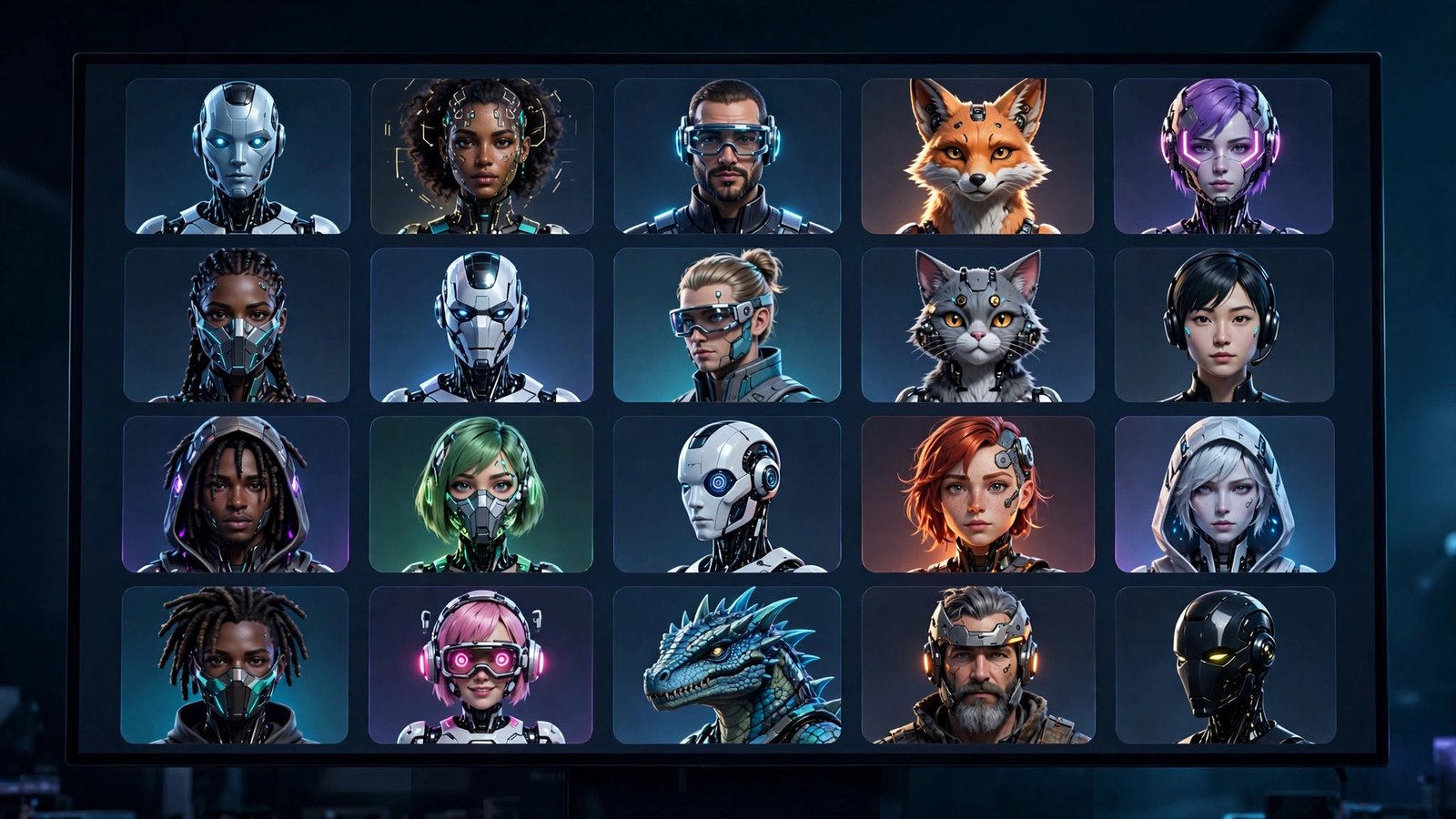
- Best avatar realism: HeyGen — its newest avatars showed the most natural facial movement and expression in my side-by-side tests.
- Best value for individuals: HeyGen — the Creator tier works out cheaper per minute of finished video than Synthesia’s entry plan.
- Best for teams and enterprises: Synthesia — shared workspaces, brand controls, and a mature API feel built for serious production pipelines.
- Best for interactive use: HeyGen — its streaming avatars are the most practical real-time AI presenters I have tested.
Synthesia vs HeyGen at a Glance
| Feature | Synthesia | HeyGen |
|---|---|---|
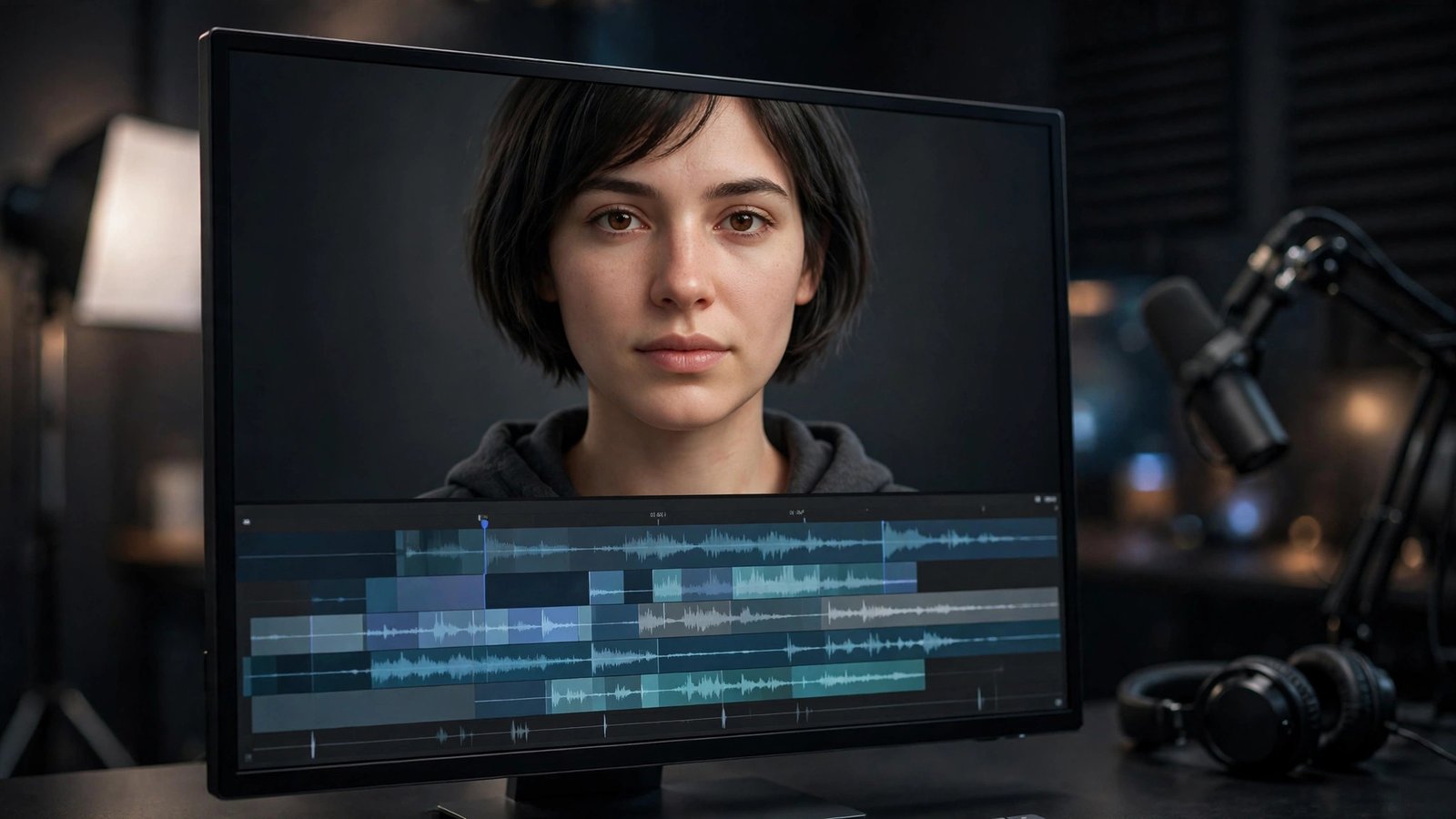
| Avatar quality | 140+ stock avatars; personal avatars from webcam footage; the most consistent lip-sync I tested | 100+ avatars; newest generation looks remarkably lifelike with natural micro-expressions |
| Voices & languages | 140+ languages and 400+ voices; one-click full-video translation | 175+ languages; voice cloning available on cheaper plans |
| Templates | 180+ templates, strong on corporate and training layouts | 300+ templates, stronger on marketing and social formats |
| Editing ease | Slide-style scene editor; simple and fast to learn | Timeline plus canvas editor; more control, slightly steeper learning curve |
| API | Mature, widely used by enterprises for automated video pipelines | Available and much improved, still the newer option |
| Pricing | Paid plans from around $29/month (billed annually) | Creator from around $29/month (billed annually); cheaper per finished minute |
| Free tier | Yes — a few watermarked minutes per month | Yes — 3 credits per month, enough for short test videos |
What Synthesia Does Best
Synthesia is the tool I hand to a team that needs fifty training videos by Friday. The workflow is almost boring in the best way: paste your script, pick one of the 140+ stock avatars, choose a template, and export. The lip-sync is the most consistent I have tested — mouths match the audio even on longer sentences where other tools drift.
Where it stumbles: the avatars, while professional, can feel a touch corporate and stiff next to HeyGen’s newest generation. And the entry plan’s per-minute pricing adds up fast if you are a solo creator rather than a team.
What HeyGen Does Best
HeyGen wins on raw avatar realism. Its latest avatars have the small facial movements — eyebrow lifts, subtle smiles — that make the difference between “AI presenter” and “person on a webcam.” The streaming avatar feature is genuinely impressive: a real-time AI presenter you can talk to, which I have not seen done this well anywhere else.
Where it stumbles: the editor gives you more rope, which means more chances to tangle yourself. Beginners may find Synthesia’s simpler slide-style flow easier, and HeyGen’s enterprise and collaboration features are not as mature.

Avatar Realism: The Deciding Factor
If your viewers need to trust the face on screen — sales videos, customer onboarding, public-facing content — HeyGen’s newest avatars have the edge. For internal training where polish matters more than personality, both are more than good enough, and Synthesia’s consistency wins.
Pricing and Value
Both start paid plans around the $29/month mark annually, but the math diverges per finished minute of video. HeyGen’s Creator tier stretches further for solo creators making short marketing clips. Synthesia’s plans make more sense when a team is producing volume and needs the collaboration and brand controls.
FAQ
Which is better, Synthesia or HeyGen?
For teams producing training content at scale, Synthesia. For the most lifelike avatars and best solo-creator value, HeyGen. Both have free tiers worth trying before you pay.
Can I try them for free?
Yes — Synthesia offers a few watermarked minutes monthly, and HeyGen gives 3 free credits per month, enough for short test videos.
Which has better voices?
Both are strong. Synthesia covers 140+ languages with 400+ voices; HeyGen covers 175+ languages and offers voice cloning on cheaper plans.
Do the videos look obviously AI-generated?
Less and less. HeyGen’s newest avatars can pass at a glance, especially in small player sizes. Longer monologues still reveal tells if you look for them.
Can I use them for client work?
Yes, on paid plans both grant commercial rights to the videos you create. Check the current terms for avatar likeness usage in ads.
Final Take
After a year of side-by-side testing, my rule is simple: teams and training departments should start with Synthesia; creators chasing realism and value should start with HeyGen. Try both free tiers with the same script — ten minutes of testing will tell you more than any review.
Want to see how these stack up against the wider field? Browse the outbidz.lol leaderboard for hands-on rankings of the best AI tools across every category.